
Note · 2018
A wonderfully positive impression of a company — created in a matter of seconds. By Edouard Gruwez.
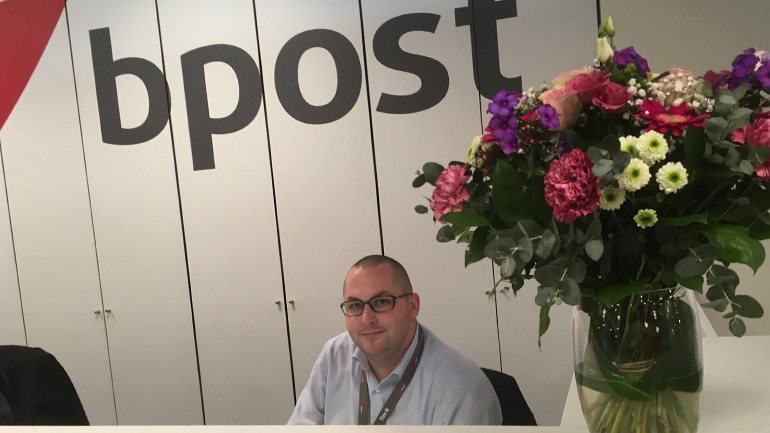
Corporate receptions are often a painful experience. But I had a wonderful one at the BPost headquarters today. Even though BPost is a very large company, the friendly receptionist made me feel welcome in a personal way. I felt like he was waiting for me. He knew whom I was meeting and where. Even arriving at a peak moment with many others, I had my badge in seconds and my contact was informed in no time. Everything was smooth, fast, friendly and efficient.
In my mind he created an image of professionalism and efficiency — and that image unconsciously extended to the whole company, its products and services. As human beings we are shaped by first impressions: our brain looks for signals that confirm them, and a first impression cannot be undone. This one was very positive.
Many companies invest heavily in customer experience and brand image, and their reception areas glitter with the latest office furniture. Yet the experience is often diametrically opposed to the intended image — long procedures, badges, forms, unfriendly looks, no interest. You can rarely blame the people behind the desk: strict orders, budget pressure, external agencies with little connection to the floors above. In just two recent weeks I experienced: a 30-minute queue behind a single receptionist (a large financial institution); "Who? How do you spell that? I can't find the name" — about the CEO (a large bank); being ignored for ten minutes while receptionists chatted with newly arrived guards; and "I have no idea where that meeting room is, I never go inside the buildings."
In a service industry there is no difference between corporate image and brand image. The image is created by every contact: how you treat visitors, clients, suppliers and employees. As the world becomes more digital, we should probably revalue the importance of receptionists. The corporate strategy has to live inside every employee — starting at the front desk.